

After a 21-day study, the 10 volunteers of the BRAHMS study (Bed Rest And HypoMetabolism Study) left the space clinic facilities at the end of June. BRAHMS was:
-
A CNES study conducted by MEDES
-
10 healthy volunteers aged 20 to 40
-
12 French scientific teams involved
-
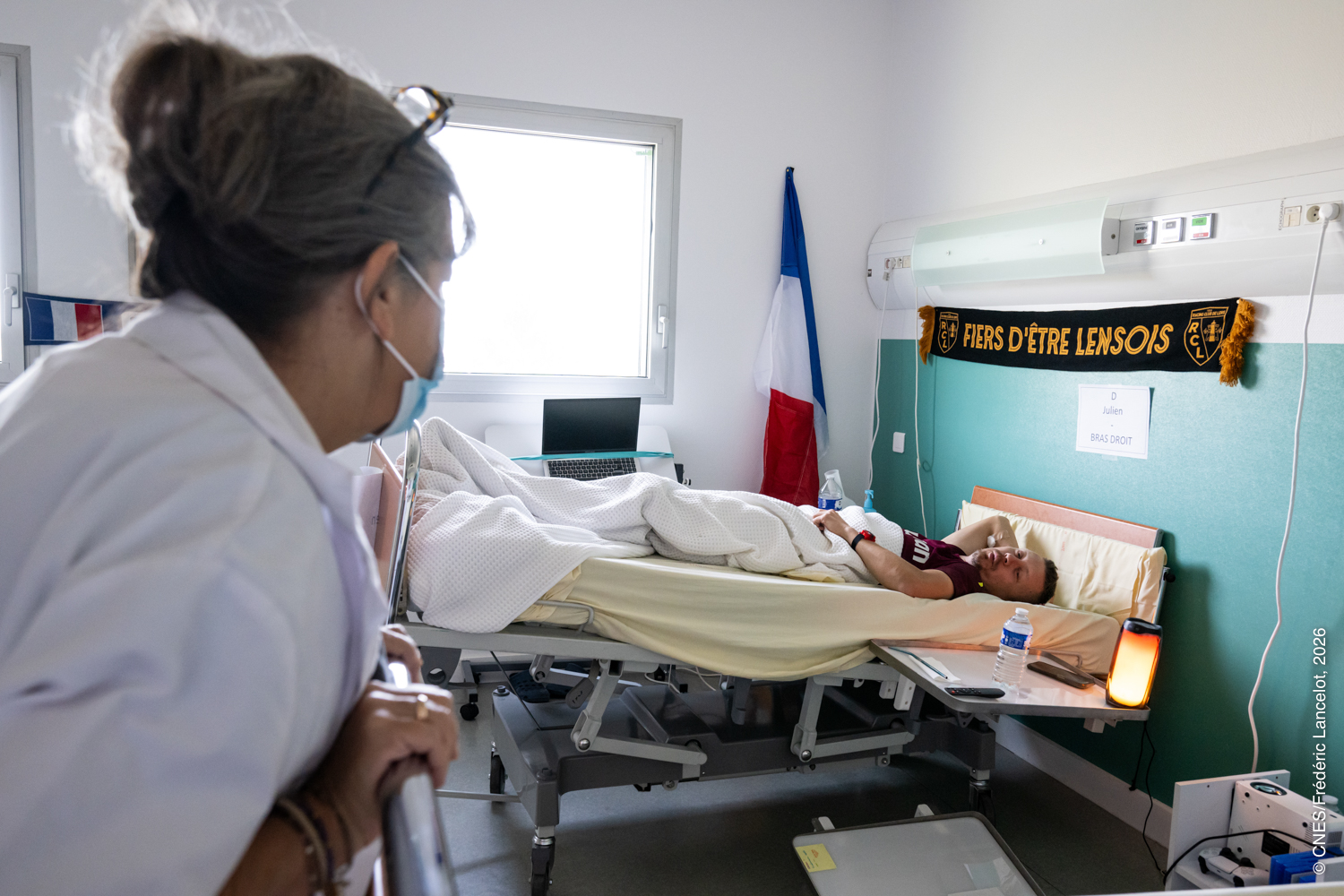
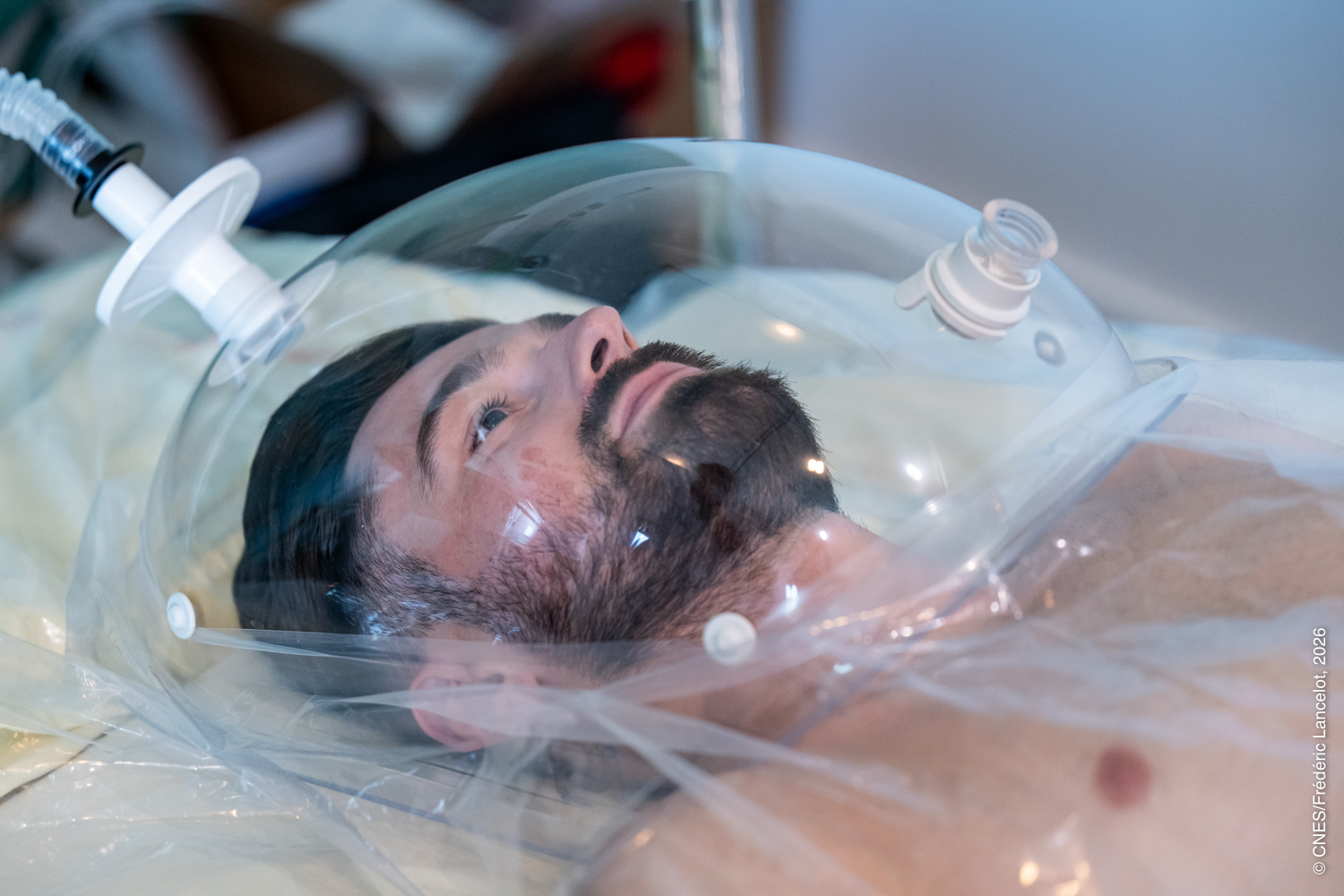
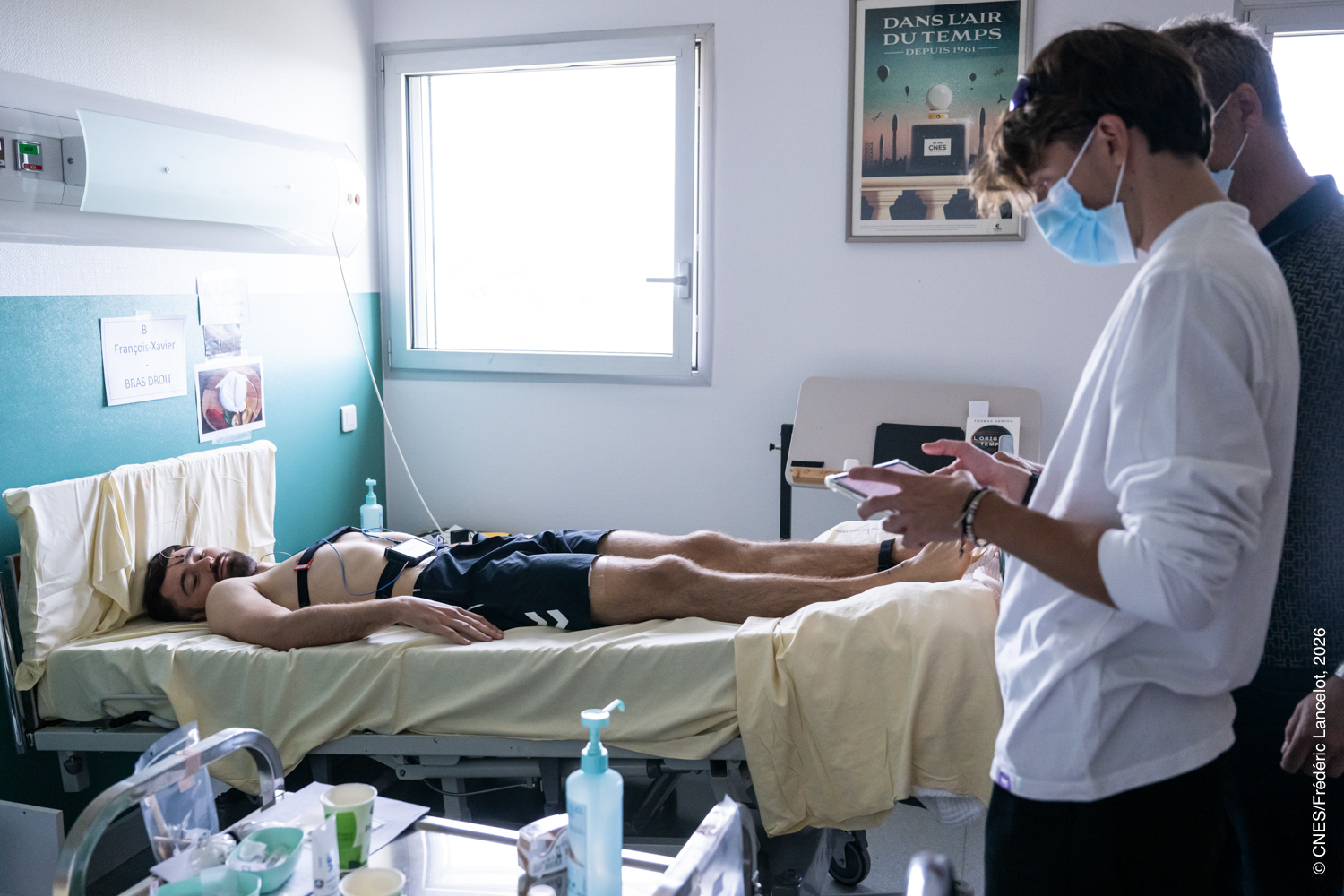
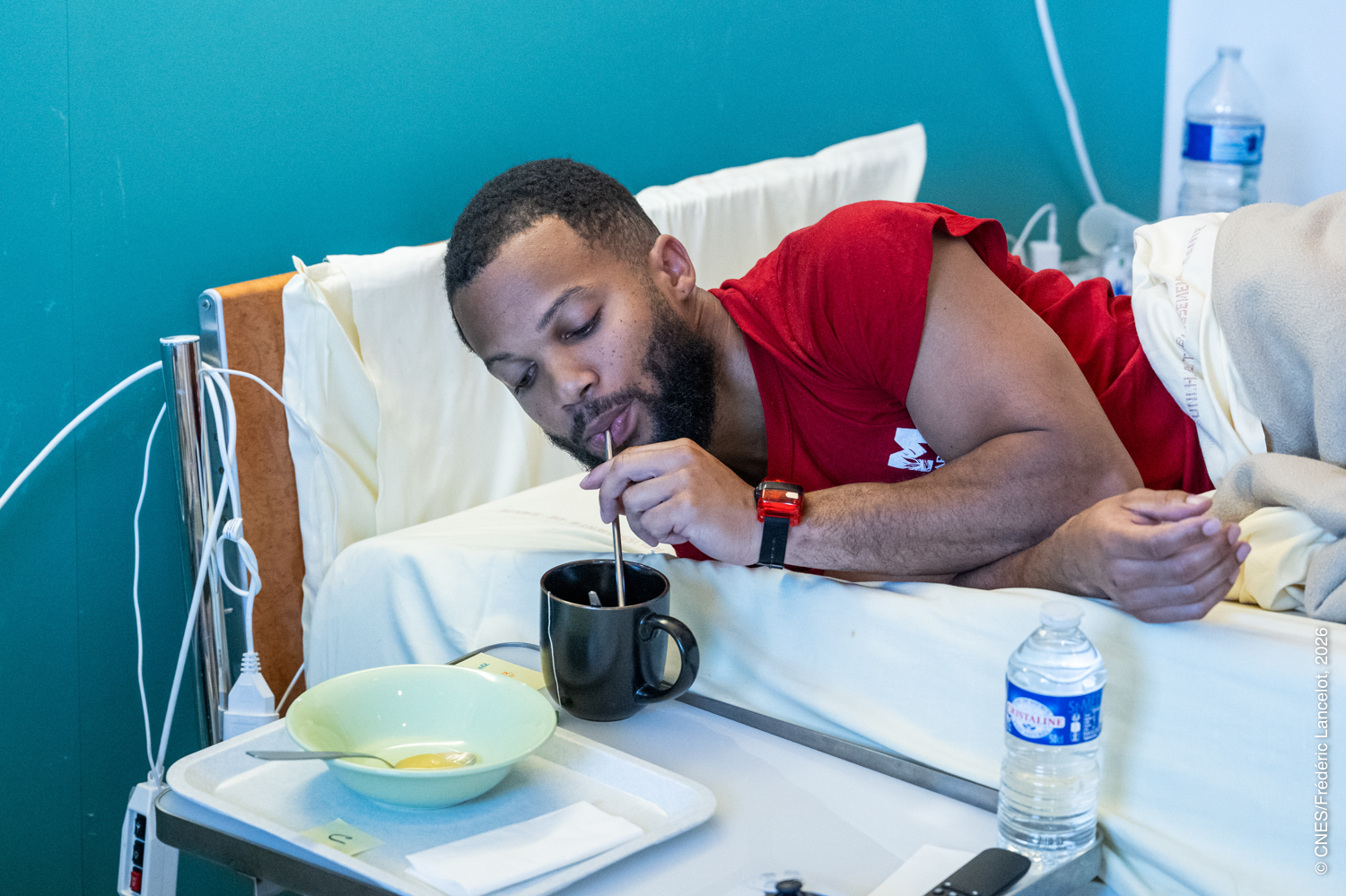
20 days of clinical research, including 10 days of weightlessness simulation through bed rest combined with severe fasting (250 kcal)
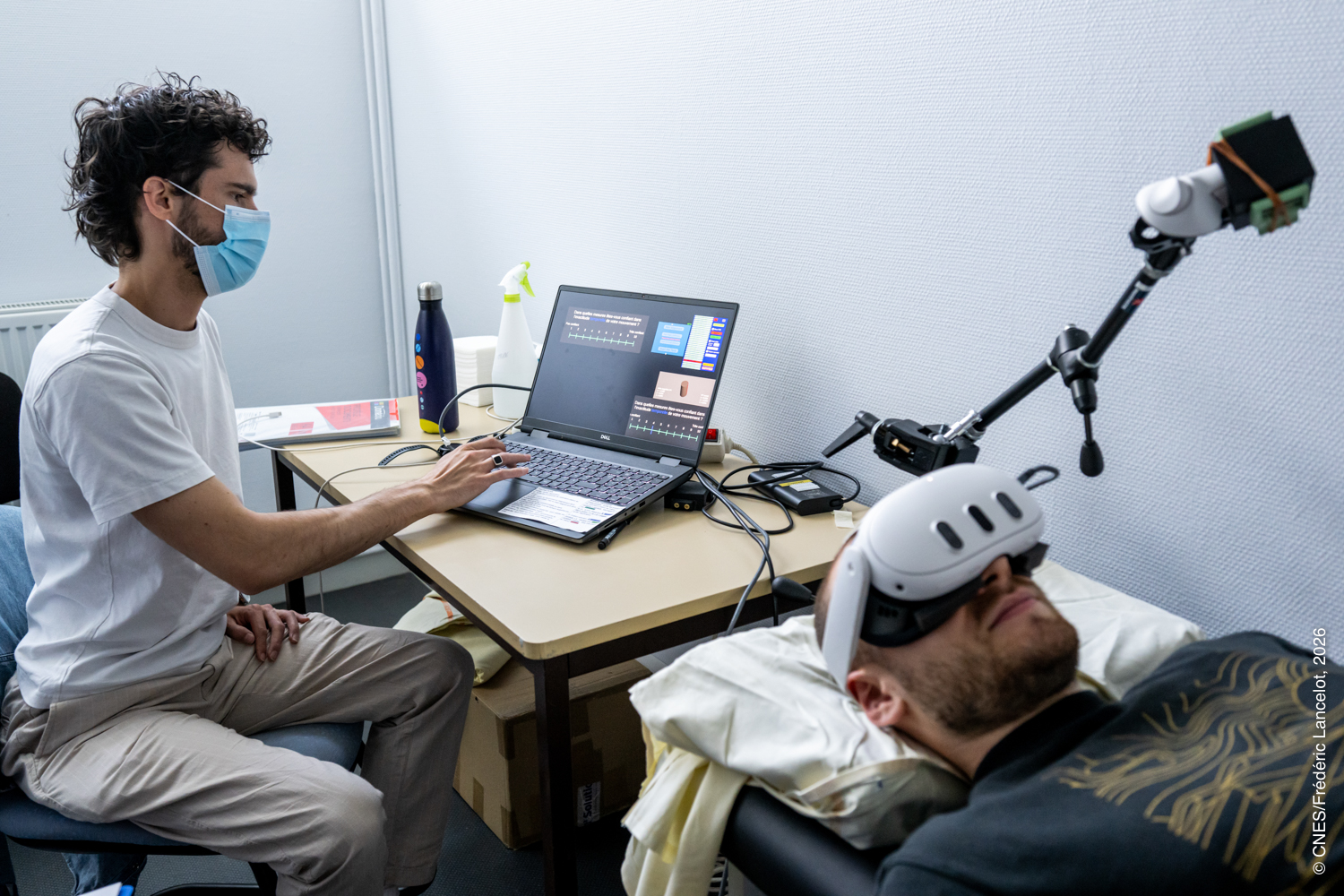
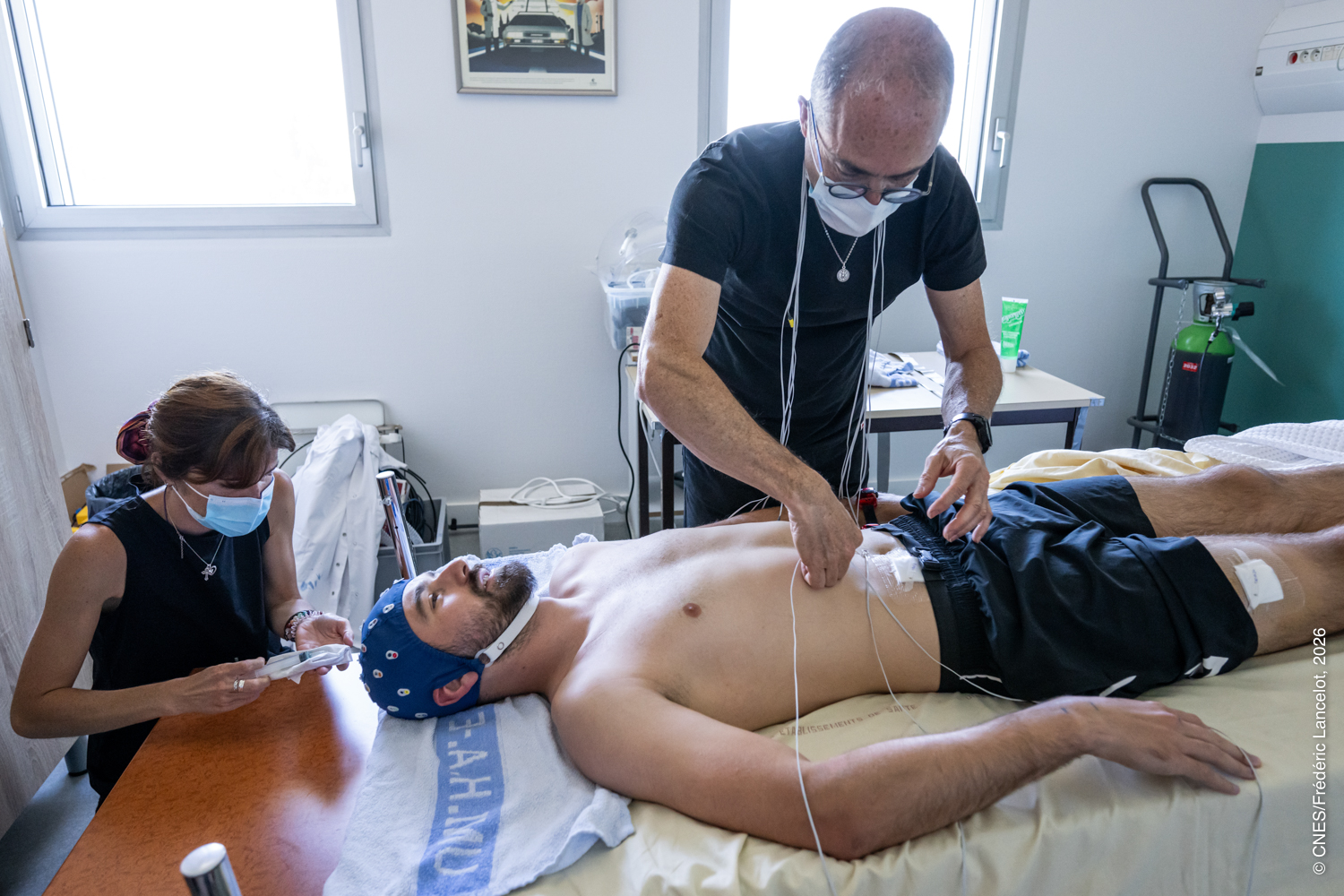
The objective? To evaluate the physiological adaptation mechanisms of the 10 volunteers to this bed rest (at a -6° head-down tilt) combined with hypometabolism. This was done to prepare for future spaceflights and anticipate potential unforeseen situations in space (life-support system failure, resupply failure, or extended mission duration).
As a model of extreme sedentary behavior, these studies are also particularly useful for “health on Earth.”
BRAHMS was a physically demanding study, intense for the teams, but a resounding success!
Voici la traduction :
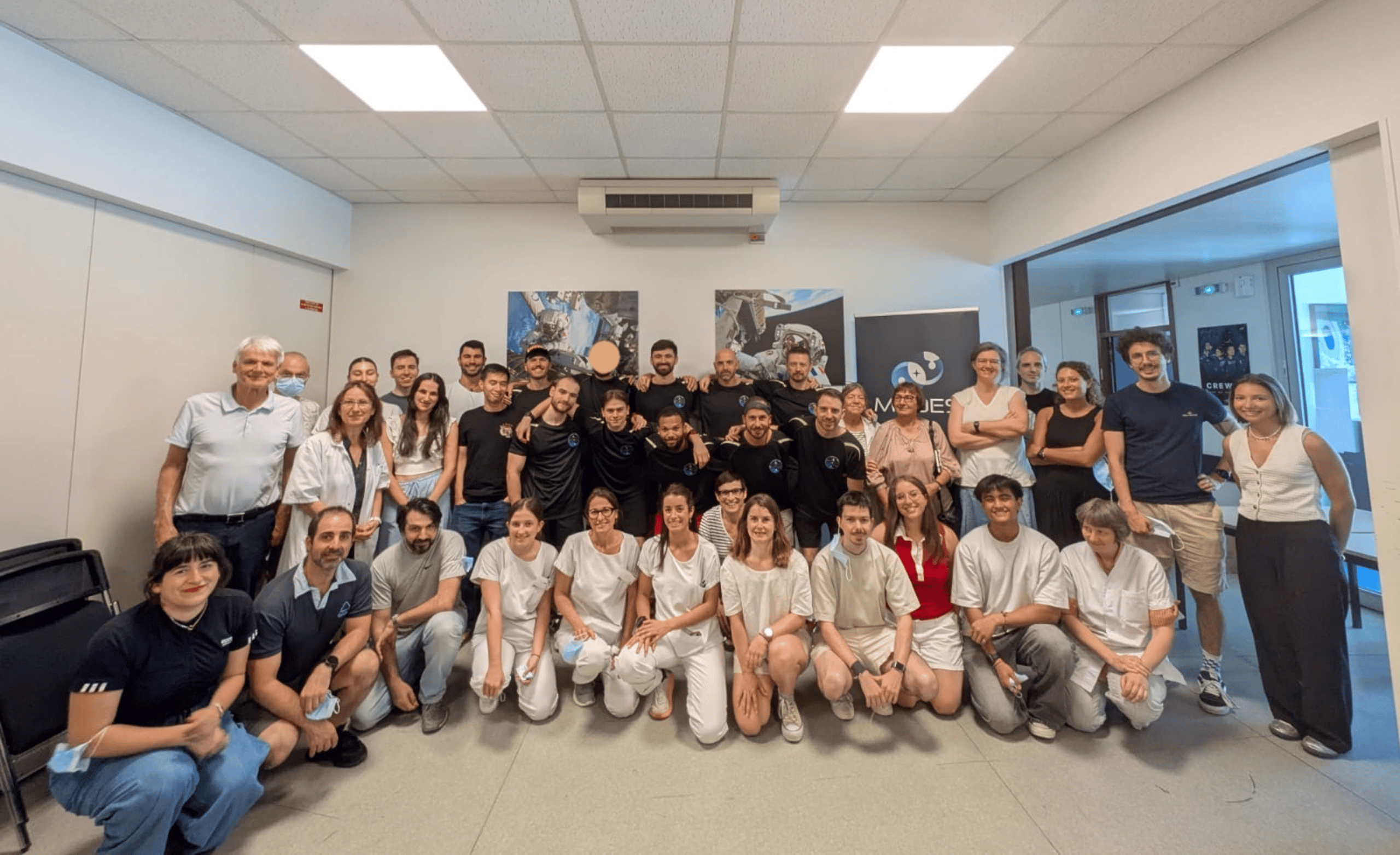
We would like to warmly thank everyone involved in making this study a success.
A big thank you to:
-
CNES for their continued trust in carrying out these studies.
-
The volunteers, who formed a motivated, dedicated, and passionate group! Thank you for your resilience!
-
The 12 scientific teams for the excellent collaboration, smooth testing procedures, and promising incoming results.
-
Toulouse University Hospital (CHU de Toulouse) for their support throughout this study, for hosting various medical exams, and for the logistical and catering support.
-
The healthcare staff who accompanied us and did a fantastic job.
-
Finally, congratulations to the entire MEDES space clinic team for your commitment and professionalism over the long months of preparation and its flawless execution.
Another great challenge successfully met in service of human space exploration!
The study was conducted with the assistance of IPHC – Institut Pluridisciplinaire Hubert Curien – CNRS, Inserm Toulouse, Université de Montpellier, Université Jean Monnet Saint-Etienne, INRAE Clermont-Auvergne-Rhône-Alpes, Université de Strasbourg, CHU d’Angers, Université de Lorraine, COMETE UMR-S INSERM UNICAEN, ‘Université de Bordeaux, l’INRAE Occitanie-Montpellier, Université Paris Cité and INCC
To watch, read, and listen to about the study:
(in french)
- Reportage France Info : “Le corps s’habitue” : allongés sur le dos pendant 10 jours, des volontaires simulent les conditions d’un voyage spatial”
- Vidéo France Info : Dix jours allongés et (presque) sans manger : l’aventure spatiale simulée
- Reportage TF1 : 10 jours alités pour la science
- Article La Dépêche : Jeûne et tête en bas, le défi extrême des volontaires alités à la clinique spatiale
- France 3 (à 14’00) – 10 jours couchés et à jeûn
- Cnes.fr – BRAHMS : une nouvelle étude pour préparer les missions spatiales de demain